China Report 03 - Technology in the Hotel Industry.

Robots, Networked Systems, and Trust: A Critical Analysis from China—What Works, What Doesn't, and What Matters Most in AI Partnerships.

The Event. The greatest leverage lies in networked systems.

Düseldorf. November 23, 2026 - Not everything that impresses in China belongs in a European hotel. Cleaning and delivery robots seem practical today, provided the building is prepared. The greater potential lies in networked systems. And with AI, ultimately it's not the technology that matters, but trust. 

We address this topic in the third of four parts of our report on HOSPITALITY X's trip to China in October 2026.

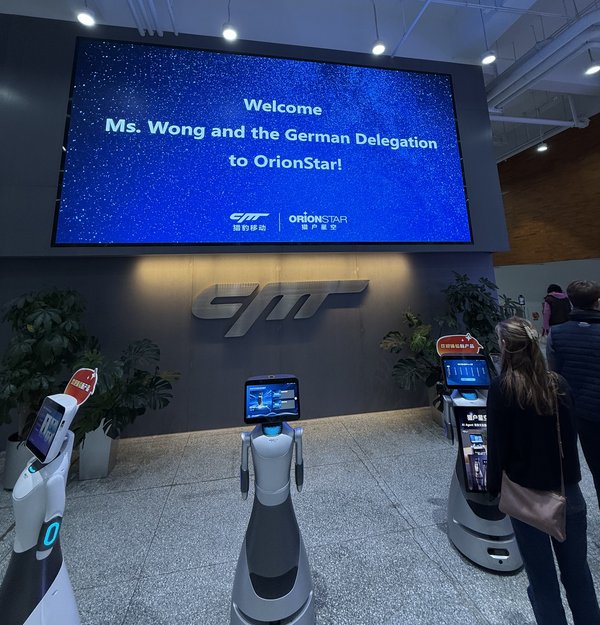
In Hangzhou, we visited the Alibaba FlyZoo Hotel and the Alibaba Cloud Campus; in Beijing, we visited Orion Star and The Peninsula; and in Shenzhen, we visited robotics and hardware companies. We have made it our goal not to present these impressions uncritically as models to follow, but to sort them according to their practical utility. 

Size and performance specifications are provided by the companies we visited.
Thesis/01. Robots in Hotels: What's Trending Today.

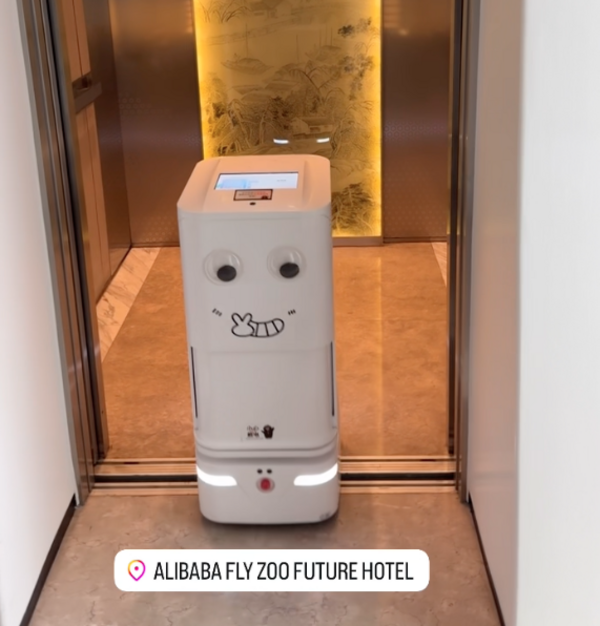
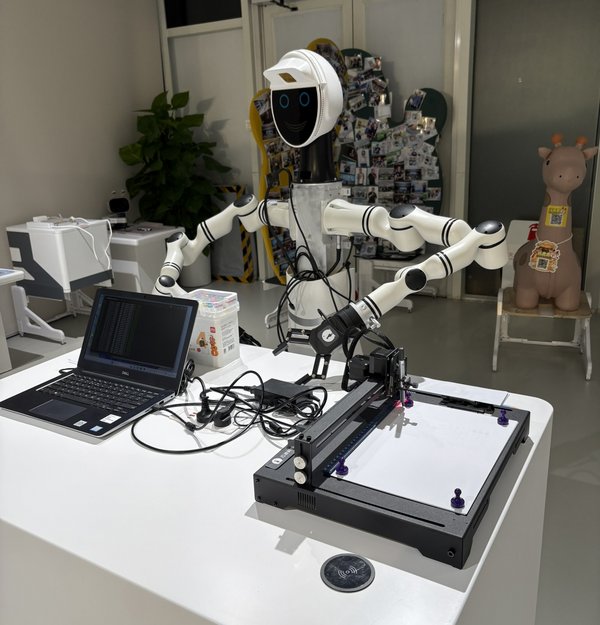
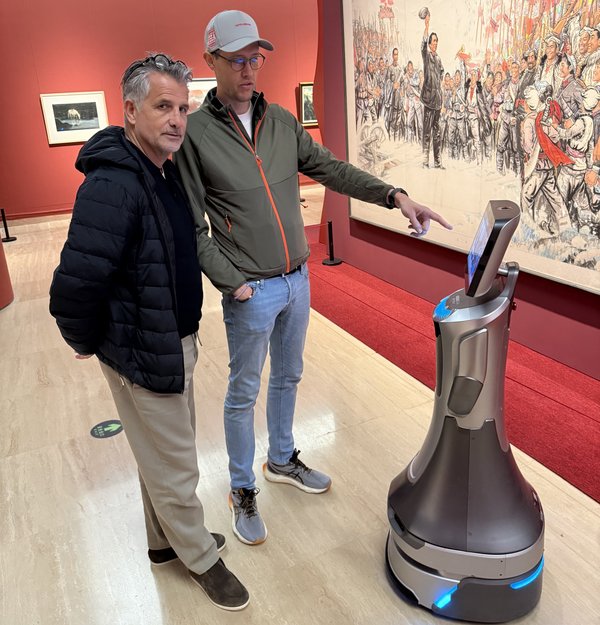
Cleaning and delivery robots seem feasible today. For other areas of application, a more nuanced view is needed. At FlyZoo, a delivery robot picks up the order from the delivery service, rides the elevator on its own, and brings it right to the room. This works because the robot, the elevator, and the delivery services are connected via interfaces. In Shenzhen, we visited manufacturers of indoor and outdoor cleaning robots and saw how they are produced.

Context. The prerequisites are structural and technical infrastructure, interfaces with elevators and delivery services, and a clearly defined process. Cleaning robots currently meet these requirements best. We have ordered cleaning robots for the Hotel Vier Jahreszeiten on Schluchsee so that we can demonstrate their use in an operational setting. 

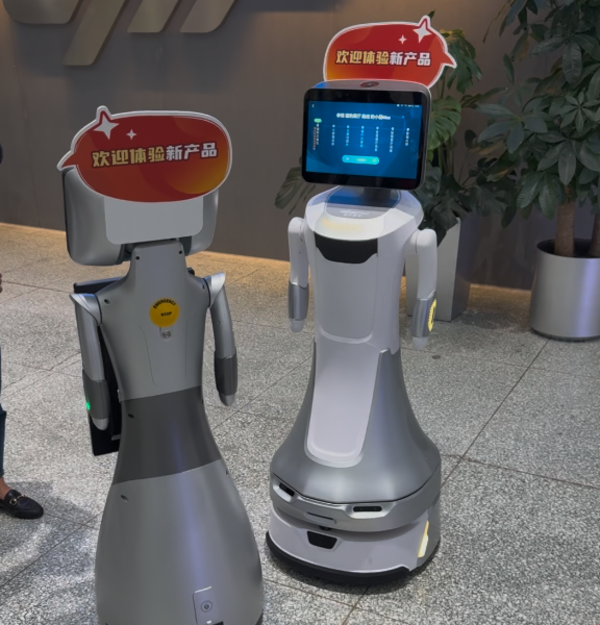
We’re also using cleaning robots at The Curve Hotel BayArena; we’re evaluating their use for the large areas at Nürburgring Hotels & Ferienpark and the Golf & Sporthotel Wiesensee, where we serve as consultants. For other areas of application, such as at the front desk or for information services, we’re taking a critical look.

Thesis/02. The room knows the guest.

The key is the integration of PMS, POS, and guest systems—not facial recognition. 

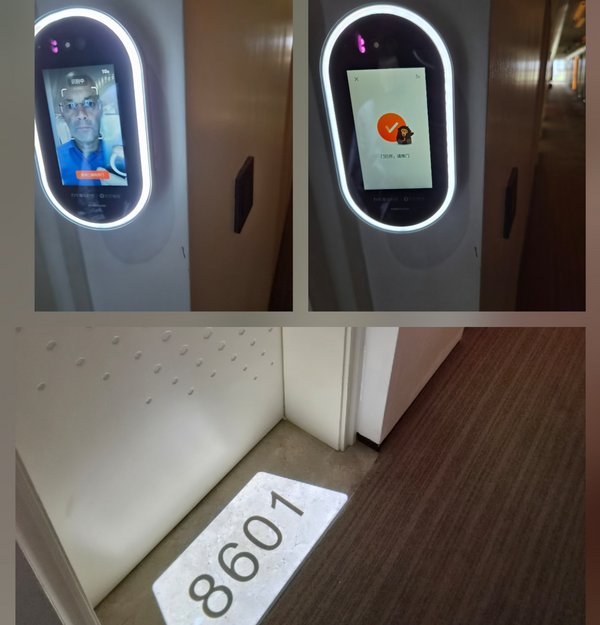
At FlyZoo, guests’ faces are scanned during check-in: this controls the elevator and unlocks the room, without the need for a key card or cell phone. At The Peninsula, a strategic partner of Shiji, everything runs on a single platform: the property management system, point-of-sale system, and guest systems are all connected. The room adjusts to the guest’s language as soon as it’s clear where they’re from; temperature preferences are also saved.

There’s a contrasting example: The vision is to eliminate the front desk altogether. Yet there was still always someone at the entrance, and check-in took about 20 minutes.

Context. In Europe, the GDPR sets clear limits on biometrics. However, the benefit of personalization stems from linking existing systems anyway, not from facial scanning. That’s where it’s worth starting: At The Curve Hotel BayArena, we’re implementing the digitization of the front office with Shiji.

Thesis/03. Trust is the scarce resource.

It is not technology, but trust and data separation that determine collaboration.

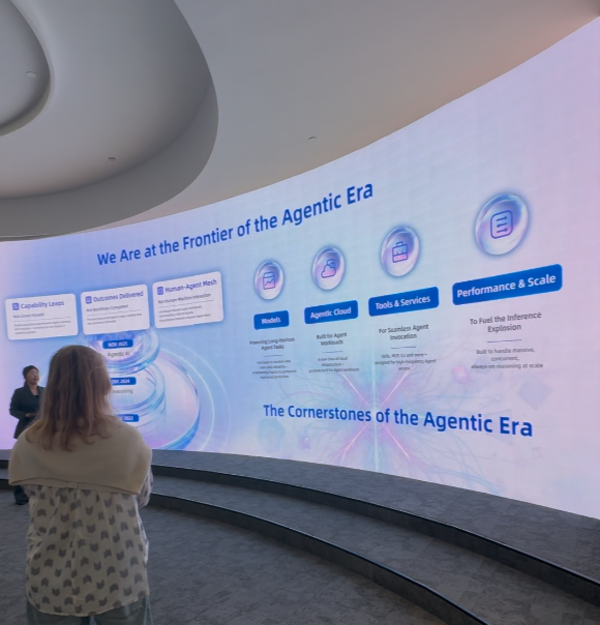
At the Alibaba Cloud campus, we saw their own AI chips; according to Alibaba, 30,000 people work there. Shiji prioritizes AI and cybersecurity. As a vision for the future, the company mentioned personal AI agents that control many functions via a platform, potentially integrated with blockchain. This is a vision, not a product.

Context. Anyone collaborating with Chinese partners on AI needs answers to three questions: Who owns the data? What security certifications are in place? How transparent is the partner? This applies to every partner, in China as well as in Europe. It is the critical aspect of the partnerships discussed in Week 1.

Key messages.

  • Cleaning and delivery robots seem feasible today, provided the infrastructure, interfaces, and processes are in place.

  • We take a critical view of other areas of robotics application.

  • Personalization is achieved through connected systems, not through facial recognition.

  • The GDPR remains the framework for our decisions in Europe.

  • When it comes to AI partners, data sovereignty, security certifications, and transparency are key.

Impact.

  • Practical Application: We are testing the suitability of cleaning robots during normal operations at the Hotel Vier Jahreszeiten on Schluchsee and at The Curve; we are evaluating their use at the Nürburgring and Wiesensee.

  • Systems: We view the integration of PMS, POS, and guest systems as a key driver for our properties. At The Curve, we’re implementing front-office digitization with Shiji.

  • Partner Selection: Data sovereignty, security certifications, and transparency are our criteria when selecting AI partners.

Conversation.

What experiences have you had with robotics and connected systems in the hotel industry? We look forward to hearing from you. 

Next week: What Europe can learn from China’s pace of development and what factories could mean for hotels.

About HOSPITALITY X. HOSPITALITY X is an operator, consultant, and investor in the hospitality industry. We operate The Zipper Hotel & Apartments in Düsseldorf, The Curve Hotel BayArena in Leverkusen, and the Hotel Vier Jahreszeiten on Schluchsee. As consultants, we support Nürburgring Hotels & Ferienpark and the Golf & Sporthotel Wiesensee.